Camden Council Permits for West Hampstead House Moves

If you are planning a move in West Hampstead, the permit question tends to surface sooner than people expect. It might be a narrow street, a tight parking bay, or that awkward moment when you realise a van simply cannot sit outside the building without causing trouble. Camden Council permits for West Hampstead house moves are often the difference between a calm moving day and a stressful one with extra fees, delays, or an unhappy neighbour with a very loud sigh.
This guide breaks down what these permits are, when they matter, how the process usually works, and what to watch out for before moving day arrives. It is written for real-life house moves, not theory. Whether you are moving a one-bed flat, a family house, or something in between, a bit of planning goes a long way. Truth be told, moving day is already enough of a production without parking drama added in.
Why Camden Council Permits for West Hampstead House Moves Matters
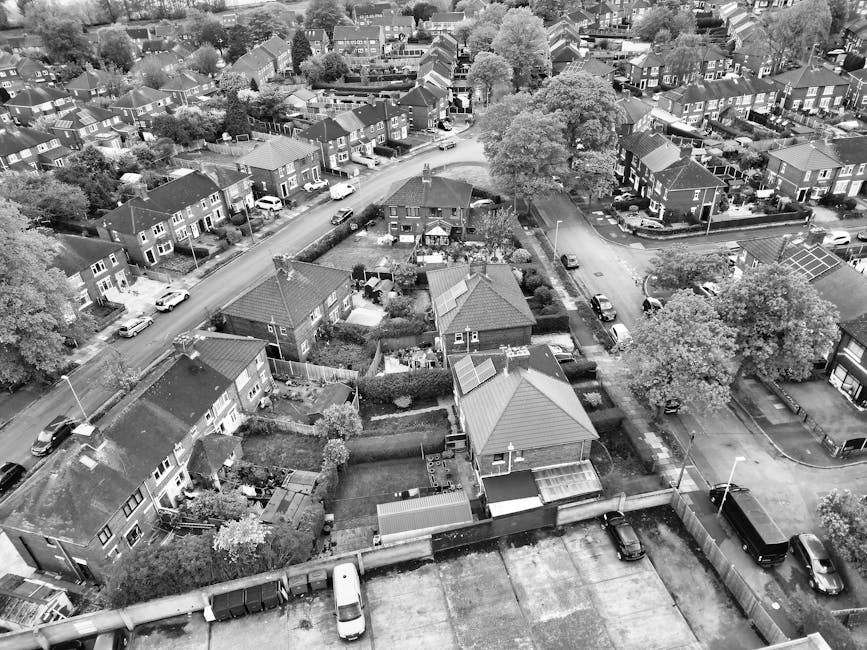
West Hampstead is one of those parts of London where the street layout can quietly complicate a move. You may have terraced homes, apartment blocks, controlled parking zones, limited kerb space, and the occasional double-parked car that seems to have nowhere better to be. That is exactly why parking permissions and loading arrangements deserve attention early.
A permit or parking suspension may be needed when a removal vehicle has to occupy a restricted bay, loading area, or other controlled space. In practice, that matters because a moving van is not just another car. It is larger, slower to manoeuvre, and often needs a reasonable stretch of uninterrupted access. Without proper permission, a move can stall fast. Nobody wants the sofa stranded halfway out the front door while someone circles the block looking for legal parking. Not ideal.
There is also a courtesy angle. A well-managed move reduces friction with neighbours, avoids unnecessary obstruction, and helps keep pavements, driveways, and access routes clear. In a place like West Hampstead, where traffic flow and residential parking are both precious, being organised is simply part of moving well.
For households using home moving support or a man and van service, permit planning is often part of the service conversation. Larger moves may also benefit from a moving truck or removal truck hire, both of which need even more careful access planning.
Table of Contents
- Why Camden Council Permits for West Hampstead House Moves Matters
- How Camden Council Permits for West Hampstead House Moves Works
- Key Benefits and Practical Advantages
- Who This Is For and When It Makes Sense
- Step-by-Step Guidance
- Expert Tips for Better Results
- Common Mistakes to Avoid
- Tools, Resources and Recommendations
- Law, Compliance, Standards, or Best Practice
- Options, Methods, or Comparison Table
- Case Study or Real-World Example
- Practical Checklist
- Conclusion
- Frequently Asked Questions
How Camden Council Permits for West Hampstead House Moves Works
The exact process depends on the type of restriction, the street, and the size of the vehicle. That said, the usual logic is straightforward: if the removal vehicle needs to stop in a place that is regulated, restricted, or reserved for controlled use, permission may be needed in advance.
In practical terms, moving permissions often relate to one or more of the following:
- Suspending a parking bay or preventing others from using a bay during the move
- Arranging access where a vehicle needs to load or unload for a set period
- Allowing a larger vehicle to work safely on a street with limited space
- Reducing the risk of fines or enforcement action on moving day
West Hampstead moves can be especially sensitive where narrow roads, permit-only parking, and busy local traffic combine. If the building has a service entrance, loading area, or forecourt, the moving team still needs to think carefully about how the vehicle will arrive, stop, and leave. The small details matter. A van that arrives ten minutes late and cannot park legally can throw off the whole schedule.
For a smaller, quicker move, a man with van arrangement may be enough, provided access is manageable. For family houses with furniture, boxes, and a full day's work ahead, a more structured moving plan is usually better.
Key Benefits and Practical Advantages
People sometimes think permits are just a bureaucratic extra. They are not. Done properly, they save time, reduce hassle, and improve the chances that the move actually runs on schedule. Here is why they matter in real life.
- Less stress on the day: The vehicle has a clearer place to stop, so crews can work without constant repositioning.
- Lower risk of penalties: Proper arrangements help reduce the chance of parking tickets or enforcement issues.
- Better time control: Fewer delays mean the move is more likely to finish when expected.
- Safer loading and unloading: A legal, planned space often means fewer obstacles for people carrying heavy items.
- More predictable coordination: If you are managing cleaners, keys, or building access, the timetable is easier to line up.
There is also a subtle but real comfort in knowing you have covered the basics. You can focus on the actual move rather than staring out the window wondering whether the van will be moved on in five minutes. That alone is worth something.
If you are relocating a whole household, working with experienced house removalists can help you think through access, timing, and parking in a more joined-up way. For smaller or mixed loads, the right service can still make the day feel much lighter. And yes, lighter is good.
Who This Is For and When It Makes Sense
This topic matters most if your move involves any kind of restricted parking, busy residential street, or vehicle that cannot simply pull up and wait. In West Hampstead, that includes a lot of households, not just the obvious edge cases.
You are likely to need permit planning if you are:
- Moving from or to a flat with limited access outside the building
- Using a larger removal vehicle that needs a legal stopping point
- Moving on a busy weekday when curb space is already tight
- Handling a multi-room household move with several trips
- Working around timed access, concierge rules, or shared entrances
It also makes sense if you are moving commercial items alongside household goods, perhaps from a home office or studio setup. In that case, a broader moving plan may overlap with commercial moves support or even office relocation services if the move is tied to a business change. Mixed-use moves are easy to underestimate. They look simple until the printer, filing cabinet, and four bikes all need to leave at once.
Then there are the practical edge cases: collecting bulky furniture, moving a sofa up or down a shared street, or combining a home move with a larger furniture pick-up. In those situations, access planning becomes part of the service itself, not an afterthought.
Step-by-Step Guidance
If you want a smoother process, treat the permit question as part of your moving checklist from the start. Here is a practical way to think it through.
- Check the street conditions early. Look at the building frontage, bay restrictions, permit signage, and whether there is any realistic loading space. A quick visit at the same time of day as your move can reveal a lot.
- Estimate the vehicle size. A compact van and a long-wheelbase removal truck do not need the same space. If you are unsure, ask the moving provider what vehicle is planned.
- Work out how long loading may take. A one-bedroom flat might be manageable in a short window, while a family house can take a good part of the day. Better to be realistic than optimistic and wrong.
- Decide whether a permit or suspension is required. This usually depends on local parking controls and how the vehicle will be used during the move.
- Build the permit timing into your move date. Some arrangements need notice. Last-minute moves are possible, but they are more fragile.
- Coordinate with your removal team. Share access notes, parking details, building instructions, and any time restrictions. The more they know, the fewer surprises.
- Keep documents and contacts ready. Save confirmation details, move times, and key numbers in one place. A phone call at 7:30 in the morning is never as enjoyable as it sounds.
When you are using a professional team, ask them how they manage parking and loading on London streets. Many experienced movers can advise on whether a small van, a larger truck, or a staged loading plan is the better fit. If the move is complex, it may also help to arrange packing and unpacking services so the crew spends less time dealing with loose items on the pavement. That part can get messy fast, and nobody loves standing in a hallway hunting for taped-up cutlery.
Expert Tips for Better Results
After enough moving days, a few patterns become very clear. The moves that go best are not always the biggest-budget ones; they are the ones where the details are handled early.
- Measure the vehicle access, not just the property. A wide van is useless if it cannot get close enough to the door.
- Protect your time window. If you have keys arriving later in the day, plan around that rather than assuming everything will slot in neatly.
- Think about neighbours and shared entrances. A courteous heads-up can save awkwardness, especially in close-knit blocks.
- Keep bulky items grouped together. It sounds obvious, but it saves time. A sofa in one room, a mirror in another, and a mattress in the kitchen tends to slow everyone down.
- Use the smallest workable vehicle. Smaller is sometimes smarter in West Hampstead, especially where street access is tight.
One of the most useful habits is simply to ask one more question than you think you need. Can the vehicle wait? Is there a turning restriction? Is the loading bay shared? Is there a lift booking? These little checks feel minor before the move, then enormous at 9 a.m. on moving day.
If you are still choosing how to move, a flexible man and van option can be a good fit for lighter loads or short-distance relocations, while a larger van or truck may suit full-house moves. The right choice depends on access as much as volume. Sometimes more vehicle is not the answer; better planning is.
Common Mistakes to Avoid
Most moving problems around permits are avoidable. The tricky bit is that they often look small until they become expensive. Here are the big ones to steer clear of.
- Leaving parking arrangements to the last minute. This is the classic. It usually leads to stress, compromise, or both.
- Assuming a van can stop anywhere briefly. Not always true, and not worth testing on the day.
- Underestimating loading time. Boxes are never as light when they are stacked by the door.
- Forgetting about delivery access at the destination. A perfect pickup means little if the drop-off street is the real problem.
- Not telling the movers about restrictions. If a crew arrives expecting easy frontage but finds tight bays and active traffic, everything slows down.
- Choosing a vehicle that is too large for the street. It happens more than people admit. And yes, it can be embarrassing.
A subtle mistake is focusing only on the property and ignoring the wider street scene. In London, the road itself often determines the moving strategy more than the front door does.
Tools, Resources and Recommendations
You do not need a complex toolkit to manage a move well, but a few simple items and habits make a surprisingly big difference. This is the sort of practical stuff people forget until they are ankle-deep in packing paper.
- Printed move plan: Keep a simple timeline with phone numbers, key collection times, and access notes.
- Labelled boxes: Clear labels make unloading faster and reduce the "where did we put the kettle?" moment.
- Parking and access notes: Write down gate codes, loading bay rules, and any restrictions at both addresses.
- Protective wrapping: Useful for mirrors, corners, and awkward furniture that might catch on doorframes.
- Room-by-room inventory: Helpful if items are going into storage, split across floors, or unloaded over multiple stops.
For households that need extra help with the physical side of things, it can be worth combining permit planning with the right transport. Some moves are better handled with moving truck support; others are simpler with a smaller vehicle and a steady team. If the move includes furniture disposal or onward collection, a separate furniture pick-up arrangement may also be useful.
And if you want to understand the company, its scope, or how it handles service delivery, the about us page is the natural place to start. For practical questions and next steps, the contact us page is there when you need it. Simple, but useful.
Law, Compliance, Standards, or Best Practice
For moving in Camden, compliance is mostly about respecting local parking controls, access rules, and road use restrictions. The legal detail can vary by street and vehicle type, so it is wise to treat the permit question as a local operational issue rather than assuming one rule fits every move.
The safest approach is to assume that if a restriction exists, it matters. That includes permit-only bays, loading restrictions, timed controls, yellow lines, and any building-specific access instructions. Where a suspension or formal arrangement is needed, give yourself enough time to sort it out rather than hoping the day will magically open up. It rarely does.
Best practice also includes good communication with the moving team and, where relevant, building management. If the block has a concierge, service lift, or booking system, those arrangements should be confirmed before the van rolls up. In busy parts of West Hampstead, the move is usually smoother when everyone knows the sequence: arrival, loading, departure, and where the vehicle can legally sit while work is happening.
There is no harm in being conservative here. In fact, a cautious approach tends to produce fewer surprises. That is especially true when you are balancing parking rules with furniture handling, stair access, and time-sensitive key handovers.
Options, Methods, or Comparison Table
Choosing the right moving method depends on access, load size, and how much parking flexibility you actually have. The table below gives a simple way to think about it.
| Move Type | Best For | Parking/Premit Pressure | Typical Advantage |
|---|---|---|---|
| Man and van | Smaller loads, short moves, flexible schedules | Usually lower, but still needs access planning | Quick and practical for lighter relocations |
| Moving truck | Full-house moves, larger furniture, more boxes | Higher, because the vehicle needs more space | More capacity in fewer trips |
| Removal truck hire | Moves needing dedicated transport for the day | Higher, especially on narrow streets | Strong choice for structured, all-day moves |
| House removalists | Family homes, complex access, heavier lifting | Often higher due to vehicle size and longer loading | Professional handling and better coordination |
There is no universal best option. A small flat with easy access may not need anything elaborate. A three-bedroom house on a restricted street almost certainly does. The point is to match the service to the parking reality, not just the volume of stuff.
Case Study or Real-World Example
Here is a simple, realistic example. A couple moving from a second-floor flat in West Hampstead had a reasonable amount of furniture, a couple of fragile items, and several packed boxes. At first, they assumed a standard van could stop outside for a short while and everything would be fine. Then they checked the street properly and found the frontage was tight, the parking was controlled, and midday traffic would make loading awkward.
Instead of winging it, they changed the plan. They arranged the move for an earlier window, used a smaller vehicle for easier positioning, and packed the fragile items separately so unloading would be faster. They also booked extra help for wrapping and sorting, which cut down the time spent on the pavement with doors open and boxes everywhere. Not glamorous, but it worked.
The biggest benefit was not speed alone. It was calm. The crew knew where to stop, the residents knew what to expect, and the load moved out without the usual stop-start shuffle. That sort of smoothness is often invisible from the outside, which is probably why people underestimate it. Yet it makes all the difference.
Practical Checklist
Use this checklist before moving day so nothing important slips through the cracks.
- Confirm the exact moving date and time window
- Check parking restrictions at both addresses
- Decide whether a permit, suspension, or loading arrangement is needed
- Confirm the moving vehicle size
- Tell the movers about narrow streets, gates, lifts, or timed access
- Prepare keys, fobs, and building access codes
- Label boxes by room and priority
- Protect fragile items and high-value furniture
- Keep your phone charged on moving day
- Have a backup plan if access is unexpectedly blocked
Quick takeaway: if your move involves restricted parking or a large vehicle, sort the access plan early. It is one of the easiest ways to save time, avoid fines, and keep the day from wobbling. A few careful decisions up front can spare you a lot of running around later.
Get a free quote today and see how much you can save.
Conclusion
Camden Council permits for West Hampstead house moves are not just paperwork. They are part of a sensible, low-stress moving plan in an area where parking can be tight and street access can change the mood of the whole day. If you understand the street conditions, choose the right vehicle, and build the permit question into your schedule, you give yourself a much better chance of a smooth move.
That is really the goal here: fewer surprises, fewer delays, fewer awkward moments with doors open and traffic behind you. Moving home already asks enough of people. The best moves are the ones that feel organised, calm, and quietly uneventful in all the right ways. And honestly, that is a lovely thing.
Frequently Asked Questions
Do I always need a permit for a house move in West Hampstead?
Not always. It depends on the street, the parking controls, and where the moving vehicle needs to stop. If the van can legally load without occupying a restricted space, a permit may not be necessary. If in doubt, plan early and check access properly.
What kind of move is most likely to need parking permission?
Moves using a larger van or truck, moves on narrow residential streets, and moves involving controlled bays or busy loading areas are most likely to need attention. Full-house removals are the most common example.
Can a man and van service handle permit planning too?
Yes, many smaller moving jobs still need parking awareness. A man and van service can be suitable for lighter moves, but access, stopping space, and timing still matter. Small van, same rules.
How far in advance should I think about parking arrangements?
As early as possible. The best time is once you know your moving date and rough vehicle size. Waiting until the final week is where problems usually start to stack up.
What happens if the van cannot park near my property?
The move may take longer, involve extra carrying distance, or require a revised vehicle plan. In busy London streets, that can make a major difference to the day. It is worth checking in advance rather than improvising on arrival.
Are permits only relevant for the pickup address?
No. Both pickup and delivery addresses matter. A smooth departure is only half the job if the destination has tighter access, different restrictions, or awkward loading conditions.
Does a bigger vehicle always make the move easier?
Not necessarily. A bigger vehicle can reduce the number of trips, but it may be harder to park or position on a narrow street. Sometimes a smaller, more agile vehicle is the smarter choice.
Should I tell neighbours about the move?
It is usually a good idea, especially in shared entrances or close terraced streets. A simple heads-up can reduce tension and avoid a lot of unnecessary back-and-forth on the morning.
Is permit planning useful for office or commercial moves too?
Absolutely. In fact, business moves can be even more time-sensitive. If your move includes a workspace, stock, or equipment, the same access logic applies, and sometimes even more carefully.
What if my move includes furniture collection or disposal?
Then access planning matters even more because items may be moving out in different directions. Services such as furniture pick-up are best coordinated alongside the main move so the vehicle plan stays tidy and efficient.
Can packing help reduce permit pressure?
Yes. Better packing usually means faster loading and unloading, which can shorten the time a vehicle needs to be parked in a controlled area. That is one of those simple improvements that makes a real difference.
Where should I start if I need help planning the move?
Start with access, vehicle size, and your moving date. From there, build the rest around the street conditions and the amount of furniture you are taking. If you need a broader overview of services, the site's home moves information is a sensible place to begin.
If you want to review terms before booking, you can also read the terms and conditions and privacy policy pages. Small step, but a wise one.