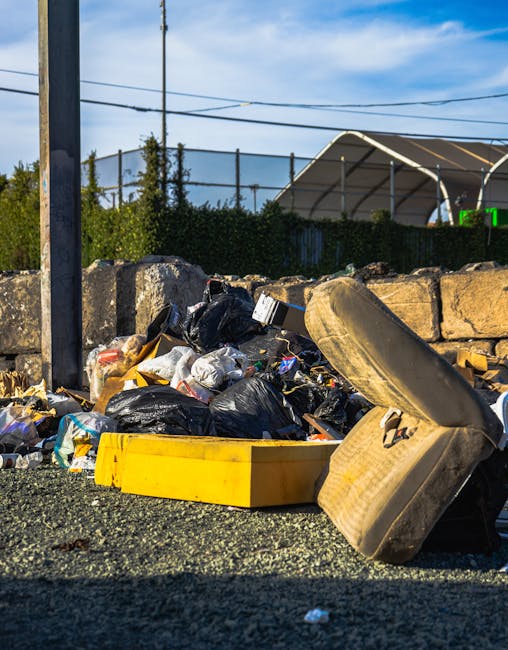
Bulky Waste Disposal During a West Hampstead Move
Moving house or office in West Hampstead has a habit of exposing every awkward item you've been ignoring for years. The broken wardrobe in the spare room. The mattress that never quite got replaced. The garden chair with one leg wobbling like it has a mind of its own. Bulky Waste Disposal During a West Hampstead Move is really about getting those large, cumbersome things out of the way so your move is faster, cleaner, and far less stressful.
Done properly, bulky waste disposal keeps moving day from turning into a game of furniture Tetris. It also helps you avoid last-minute panic, reduce van space waste, and make better decisions about what should be reused, donated, picked up, or disposed of responsibly. If you're trying to coordinate everything at once, you're not alone. A lot of people planning home moves or arranging a larger move with house removalists discover that the real headache isn't the boxes - it's the big stuff.
In this guide, we'll walk through how bulky waste disposal works, what to do before moving day, how to avoid common mistakes, and which service options make sense in real-world West Hampstead situations. Nothing overcomplicated. Just the kind of practical advice that saves time, money, and a fair bit of stress.
Table of Contents
- Why Bulky Waste Disposal During a West Hampstead Move Matters
- How Bulky Waste Disposal During a West Hampstead Move Works
- Key Benefits and Practical Advantages
- Who This Is For and When It Makes Sense
- Step-by-Step Guidance
- Expert Tips for Better Results
- Common Mistakes to Avoid
- Tools, Resources and Recommendations
- Law, Compliance, Standards, or Best Practice
- Options, Methods, or Comparison Table
- Case Study or Real-World Example
- Practical Checklist
- Conclusion
- Frequently Asked Questions
Why Bulky Waste Disposal During a West Hampstead Move Matters
Bulky waste is anything too large, awkward, or heavy for ordinary household disposal. That usually means beds, wardrobes, sofas, shelving, desks, appliances, exercise equipment, old flooring, or garden furniture. During a move, these items suddenly become a bigger issue because they affect every stage of the process: packing, loading, transport, and final set-up.
To be fair, many people only notice bulky items once the removals date is confirmed and the rooms have been stripped back. That's when the real picture appears. The sofa won't fit through the new staircase. The old wardrobe is too damaged to be worth taking. The chest freezer in the garage is taking up half the loading space. And the move, which was meant to feel organised, starts to feel like a hurried clear-out.
In West Hampstead, where homes and streets can be tight, access matters just as much as volume. A bulky item that seems manageable in a spacious suburban driveway can become a genuine obstacle when you're working with stairwells, shared entrances, basement flats, or narrow front paths. That's why bulky waste disposal isn't a side task. It's part of the move itself.
There's also the practical side of value. Every piece you remove before moving day potentially reduces labour, transport time, and the risk of damage. If you are using man and van services or arranging a larger vehicle through removal truck hire, clearing bulky waste first can make the whole job smoother. Less clutter. Less lifting. Fewer awkward decisions on the curb while everyone is waiting.
Expert takeaway: The best time to deal with bulky waste is before moving day, not during it. The earlier you decide what stays, what goes, and what needs a separate collection, the easier everything else becomes.
How Bulky Waste Disposal During a West Hampstead Move Works
In simple terms, bulky waste disposal means identifying large items you no longer want, deciding whether they can be reused or recycled, and arranging the right removal method. The exact approach depends on the item, its condition, and how quickly it needs to leave the property.
For a move, the process usually follows a few sensible stages:
- Sort the items early. Walk through each room and identify anything that will not be going to the new property.
- Separate keep, donate, reuse, and dispose. This stops useful items from being lumped in with waste.
- Check access and size. Measure especially large furniture if it needs to go through a tight stairwell or narrow hall.
- Choose a disposal route. That might be council collection, a specialist pickup, or removal as part of a moving service.
- Prepare items safely. Remove loose shelves, drawers, or glass where possible and make sure sharp edges are protected.
- Schedule collection around the move. Ideally, bulky waste should leave before the main moving team arrives, or at least before the final load-out.
Some people try to handle everything in one sweep on moving day. Sometimes that works. Often it doesn't. The better move is to treat bulky waste as a separate workstream. A sofa being removed should not have to compete with boxes of books and the kettle you still need for your first night. That's just chaos with a timetable.
If the item is still in usable condition, a pickup for furniture or a donation-style handover may make more sense than disposal. If you are clearing several pieces at once, a vehicle-based service such as moving truck support can be useful for heavier loads, especially where access is straightforward but the items are simply too much for standard transport. For office clear-outs or business relocations, it may be worth looking at office relocation services or commercial moves so the waste removal, furniture handling, and move timing are coordinated properly.
Key Benefits and Practical Advantages
Bulky waste disposal before or during a move is one of those jobs that pays you back quickly. The benefits are not flashy, but they are real.
- Faster packing and loading. Fewer large obstacles means the moving team can work more efficiently.
- Lower transport pressure. You are not paying to move things you planned to throw away anyway.
- Cleaner property handover. This matters if you are leaving rented accommodation or preparing a sale.
- Reduced damage risk. Less clutter means fewer scratches, knocked corners, and accidental trips.
- Better use of space. The van, truck, or storage area is reserved for things you actually want to keep.
- Less emotional overload. Truth be told, moving already pulls your attention in ten directions. Removing junk early creates a bit of breathing room.
There's also a quieter benefit that people overlook: decision clarity. Once the bulky waste is dealt with, everything else becomes easier to assess. That old sideboard you thought might fit in the new flat? Suddenly, no. The spare desk you were "probably" keeping? Probably not. A clear space is a clearer mind, even if the flat is still half-packed and there's a tape gun somewhere you can't find.
For families, the relief can be immediate. For landlords, it can help with end-of-tenancy readiness. For small businesses, it may reduce downtime between one site and the next. And if packing is still underway, it helps to combine disposal planning with packing and unpacking services so the right items are separated before the wrong ones get wrapped and moved by mistake.
Who This Is For and When It Makes Sense
Bulky waste disposal during a move makes sense for a wider group of people than you might think. It is not only for households doing a full clear-out. It is also useful for partial moves, downsizing, office relocations, and last-minute changes of plan.
You may need it if you are:
- moving from a flat in West Hampstead and cannot take every large item with you
- replacing old furniture rather than relocating it
- downsizing and need to reduce the load before moving day
- clearing a property after a tenant departure
- moving office equipment that is no longer fit for use
- preparing a home for sale and want it to look less crowded
This is also relevant if you have bulky items that are technically movable but not practical to move. Sometimes the item fits the van, but it does not fit your life anymore. That sounds simple, but people wrestle with it more than they admit. A sofa that has served you for ten years can be hard to let go of, especially when the room suddenly feels echoey without it.
If you are only moving a few items and need hands-on help, a local man with van option can be a good fit. For larger or more complex household moves, experienced house removalists can help you separate the moveable from the disposable without turning the process into a guessing game.
Step-by-Step Guidance
If you want the process to run smoothly, a step-by-step approach works better than trying to tackle it all at once. Here is a practical sequence that works well for most West Hampstead moves.
1. Walk the property room by room
Start with the biggest items first. They usually cause the biggest planning issues. Look at wardrobes, beds, sofas, dining tables, white goods, shelving, and anything that needs two people to lift.
2. Decide what stays, goes, or gets repurposed
Be honest with yourself. If the item has been unused for a year, is broken, or will cost more to move than replace, it may be better off leaving now. That's not wasteful. It's realistic.
3. Measure access at both properties
Measure doorways, stair turns, hallways, and lift openings if you're dealing with flats. A bulky item can be perfectly fine in one home and a nightmare in the next. We've all seen the awkward pivot in a hallway that makes everyone go quiet for a second.
4. Separate reusable items from genuine waste
Furniture in decent shape may be suitable for resale, donation, or a specific furniture pick up service. Damaged, broken, or contaminated items usually need disposal instead.
5. Book disposal and moving services in the right order
If possible, arrange bulky waste pickup before the main move. This frees up the property and gives the removal team more room to work. If timing has to overlap, make sure everyone involved knows which items are staying put until the final lift-out.
6. Prepare the items for removal
Take off cushions, drawers, detachable legs, shelves, and loose fittings. Wrap glass, tape doors shut where needed, and keep screws or fittings in labelled bags. Small detail, big help.
7. Confirm what will be collected
Double-check the list on the day before removal. That quick check can stop a useful item from being taken by mistake. It happens more than people like to admit.
8. Do a final sweep
Before the team leaves, walk each room and look behind doors, under beds, and inside cupboards. Bulky waste sometimes hides in plain sight. A forgotten filing cabinet in the corner can be the thing that throws the whole schedule off by 20 minutes.
Expert Tips for Better Results
A few practical habits make bulky disposal much easier, especially in a busy area like West Hampstead where access, parking, and timing can all play a role.
- Start early, even if you do not feel ready. The first pass is not about perfection. It is about reducing the load.
- Photograph large items. This is useful if you're deciding between reuse, pickup, or disposal.
- Keep hardware together. Put screws, bolts, and brackets in one clearly labelled bag per item.
- Don't fill the hallway. It sounds obvious, but clutter near exits slows the entire move.
- Use the weather wisely. If it's wet or drizzly, protect upholstery and cardboard. London rain has a way of showing up just when you don't need it.
- Think in zones. One area for keep, one for donate, one for waste. It sounds simple because it is.
Here's a small but useful one: if you are not sure about an item, place a temporary decision tag on it and revisit it after 24 hours. A surprising number of "definitely keep" items become much easier to judge after a night of thinking. Funny how that works.
It also helps to coordinate bulky waste disposal with your wider move plan. If you are already arranging transport, check whether the same vehicle or crew can support multiple tasks. That is often easier than booking separate services for every last thing. And if you need enough capacity for heavier pieces, a properly sized removal truck hire option can stop the day from becoming a constant shuffle of loads.
Common Mistakes to Avoid
Most bulky waste problems during a move are not caused by bad luck. They come from small planning mistakes that snowball under pressure. Here are the ones worth avoiding.
- Leaving bulky items until the last day. That creates unnecessary stress and makes access harder.
- Assuming everything can be lifted by two people. Some items need specialist handling, especially heavy or oversized furniture.
- Not checking what can be reused. A serviceable item may have value to someone else.
- Ignoring building access rules. Shared entrances, lift bookings, and loading windows can affect timing.
- Forgetting about disassembly. A bed frame or shelving unit often needs to come apart before it can leave safely.
- Mixing waste with packed belongings. Once things are bundled together, mistakes happen fast.
- Choosing the wrong service level. A small pickup may be fine for one item, but not for a full-room clear-out.
One of the most common issues, frankly, is overconfidence. People look at a large wardrobe and think, "We'll sort that on the day." Then the day arrives, the lift is busy, the hallway is narrow, and suddenly nobody is laughing. Better to make the hard call earlier.
If your move is work-related, this becomes even more important. Office clearances can involve cable waste, desks, chairs, filing cabinets, and equipment that needs handling carefully. In those cases, using a service that understands commercial moves can reduce the risk of delays and confusion.
Tools, Resources and Recommendations
You do not need fancy equipment to manage bulky waste well, but a few basic tools make the process less messy and safer.
- Measuring tape: for checking doorways, furniture dimensions, and vehicle access.
- Marker pens and labels: useful for tagging items and separating hardware.
- Heavy-duty gloves: handy for splinters, sharp edges, and dusty furniture.
- Furniture blankets or wraps: protect reusable items and surfaces during removal.
- Trolley or sack truck: helpful for heavier loads where floors and access permit.
- Strong tape and bags: for loose parts, fittings, and small accessories.
For practical support, the most useful resources are usually the services that help you combine tasks. If you need the move itself handled in a straightforward way, man and van support can be ideal for lighter moves and smaller collections. If you want a broader, more structured service, home moves and packing support may be the better fit.
It can also be worth checking the company's service information and policies before booking. A clear about us page can tell you a lot about how they work, while the terms and conditions help set expectations around scope, timing, and responsibilities. Not glamorous reading, I know, but it matters.
Law, Compliance, Standards, or Best Practice
When bulky waste is part of a move, it is sensible to follow recognised UK best practice for waste handling and property access. You do not need to turn the move into a legal seminar, but a few points are worth keeping in mind.
First, only use waste removal arrangements you trust to handle items responsibly. In the UK, waste should be passed to legitimate operators and disposed of at appropriate facilities. If you are arranging collection through a service, make sure the provider is transparent about what they take and how they handle it. If anything feels vague, ask. A proper service should not mind being clear.
Second, be careful with items that may need special handling. Mattresses, fridges, freezers, electrical items, paint, chemicals, and broken glass all require more thought than a standard sofa or table. Do not assume every bulky item can be bundled together without checks.
Third, if you live in a managed block, check building rules. Some properties require lift bookings, loading bay reservations, or advance notice for large collections. In a tight London street, parking and access can be the difference between a smooth pickup and a frustrating wait.
Finally, keep proof of what was removed if you are a tenant, landlord, or business owner. That can be useful for handover records and general peace of mind. Nothing dramatic - just good housekeeping. And honestly, good housekeeping saves arguments later.
Options, Methods, or Comparison Table
There is no single "best" way to dispose of bulky waste during a move. The right option depends on the item, your timeline, access, and how much hands-on help you need. Here is a simple comparison.
| Option | Best For | Advantages | Things to Watch |
|---|---|---|---|
| Council bulky waste collection | Single items or small volumes | Structured and familiar for many residents | May require advance booking and may have item restrictions |
| Furniture pickup service | Usable furniture or mixed bulky items | Convenient for items that are still in decent condition | Not every item will qualify |
| Man and van support | Smaller moves, partial clear-outs, flexible collection | Adaptable and often practical for last-mile jobs | Capacity may be limited for larger volumes |
| Removal truck hire | Larger homes, bulky furniture, multi-room moves | More space and fewer trips | Needs better planning and loading coordination |
| Full moving service | Complete household or office relocation | Easiest when you want a managed move end to end | May be more than you need for just one or two items |
For a lot of West Hampstead moves, the most effective solution is a hybrid one: reuse what you can, remove what you cannot, and let the moving team handle the heavy lifting. A balanced approach usually beats trying to force everything into one service.
Case Study or Real-World Example
Here is a realistic example from the kind of move many people make in West Hampstead.
A couple in a two-bedroom flat were moving to a smaller property nearby. They had a large bed frame, a sagging sofa, an old office chair, two bookcases, and a dining table they no longer wanted. At first, they planned to take everything and sort it out later. Then they measured the new place and realised the sofa would crowd the living room badly, while one bookcase would not fit up the stair turn without major disassembly.
They split the items into three groups: keep, reuse, and dispose. The bed frame and one bookcase were dismantled for the move. The sofa and office chair were booked for a furniture pickup. The dining table turned out to be better suited to disposal because the top was badly marked and the legs were loose.
The result was simple but noticeable. Loading was quicker, the hallway stayed clear, and the moving crew didn't have to keep asking what was staying and what was going. By the time the kettle was packed, the bulky waste was already out of the way. Small win, big difference.
That is usually how these things go, by the way. Not with one grand decision, but with several decent little ones made early enough.
Practical Checklist
Use this checklist a few days before the move so you are not guessing under pressure.
- Walk through every room and list all bulky items
- Mark each item as keep, donate, reuse, or dispose
- Measure large furniture and check access routes
- Confirm whether items need to be dismantled
- Separate reusable furniture from true waste
- Book bulky waste removal or furniture pickup in advance
- Coordinate timing with your moving team
- Label parts, screws, and fittings clearly
- Protect floors, walls, and corners during removal
- Do a final room-by-room sweep before leaving
Quick rule of thumb: if an item makes the move harder, slower, or more expensive without adding real value at the new property, it probably belongs on the disposal list.
Conclusion
Bulky waste disposal during a West Hampstead move is not just about getting rid of old furniture. It is about making the move more manageable, reducing avoidable stress, and giving yourself a cleaner start on the other side. Once the big items are sorted early, everything else tends to fall into place more naturally.
The smartest approach is usually the calm one: sort early, measure carefully, choose the right disposal route, and keep the move and the waste removal working together rather than against each other. Whether you are moving a family home, downsizing, or handling a business relocation, that bit of forward planning pays off.
If you want support that fits the scale of your move, start with the service that suits your situation and build from there. And if you still have questions, you can always reach out through the contact page for the next step.
Get a free quote today and see how much you can save.
One less bulky item, one less headache - and sometimes that is exactly the kind of progress a move needs.
Frequently Asked Questions
What counts as bulky waste during a move?
Bulky waste usually means large household items that are too heavy or awkward for normal bin collection. Common examples include sofas, beds, wardrobes, tables, large appliances, shelving, and garden furniture.
Should I remove bulky waste before moving day?
Yes, whenever possible. Removing bulky waste before the main move makes packing easier, improves access, and reduces the chance of delays or damage. It also helps you see exactly what needs to be loaded.
Can I take old furniture to my new home if it still works?
You can, but it is worth thinking about cost, fit, and condition. If the furniture is bulky, hard to move, or unlikely to suit the new space, it may make more sense to reuse, donate, or dispose of it first.
Is furniture pickup better than disposal?
It depends on the item. If the furniture is still in usable condition, a pickup service may be the better option. If it is broken, heavily worn, or unsuitable for reuse, disposal is usually the practical choice.
How do I know if a bulky item will fit through my new property?
Measure the item, the doorways, hallways, stair turns, and any lift access points. This is especially important in flats and older buildings, where tight access can make a large item much harder to move than expected.
What should I do with damaged mattresses or broken sofas?
Damaged mattresses and broken sofas usually need specialist collection or disposal. They are often too awkward for ordinary waste handling, and some items may have specific collection requirements depending on their material and condition.
Do removal companies handle bulky waste too?
Some do, but not all. It is best to ask in advance whether they can help with bulky waste, furniture removal, or partial clear-outs. A move is much easier when those details are clear from the start.
Can bulky waste disposal help with office moves?
Yes. Office moves often produce old desks, chairs, filing cabinets, IT accessories, and other large items that are no longer needed. Coordinating disposal with office relocation services or commercial moves can save time and reduce disruption.
How far in advance should I arrange bulky waste removal?
As early as you can, ideally before the final week of the move. That gives you time to assess items properly, book the right service, and avoid last-minute pressure when everything else is already happening.
What happens if I leave bulky items behind in a rental property?
That can lead to extra cleaning or disposal charges, depending on your tenancy agreement and the condition in which the property is handed back. It is usually better to clear bulky items before handover rather than risk unexpected costs.
Is it worth hiring help for just one or two large items?
Often, yes. One awkward item can still be difficult to move safely on your own. If access is tight or the item is heavy, professional help can prevent injury, damage, and a lot of swearing in the hallway - which nobody needs on moving day.
Where can I learn more about the company before booking?
You can review the about us page, check the terms and conditions, and look through the service pages to understand what fits your move best. A little reading now can save a lot of second-guessing later.